
Understanding freehold and leasehold for cabin plots

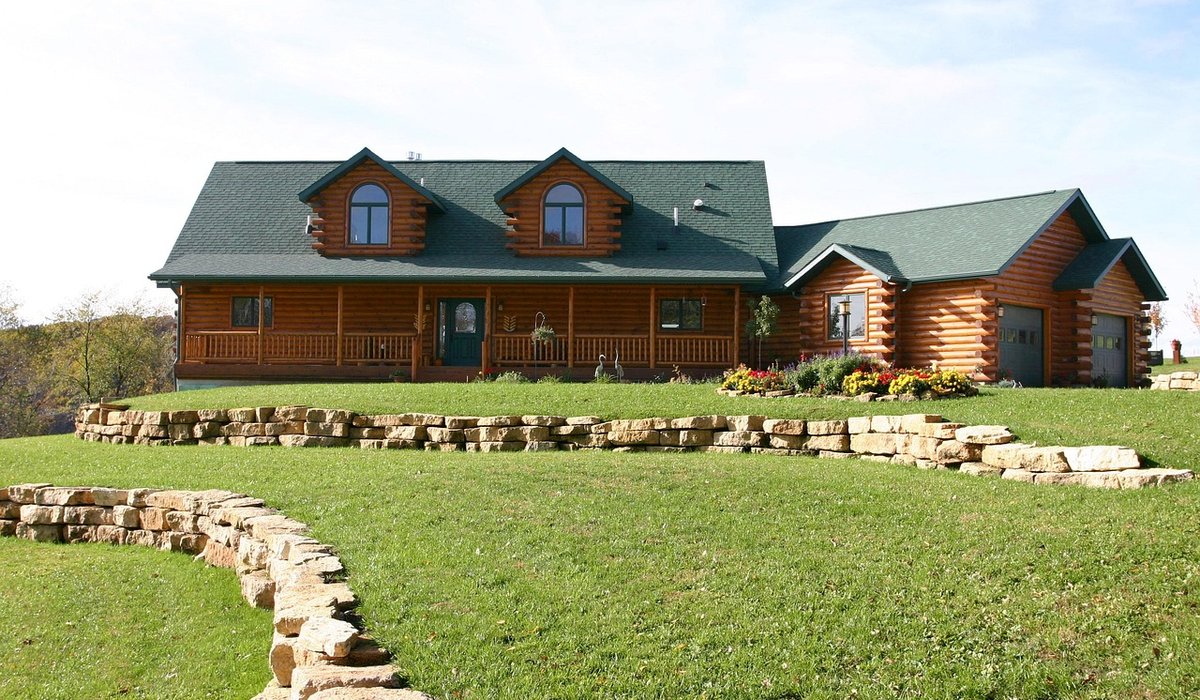
Why the legal title matters more than the cabin itself
A beautiful timber cabin can be dismantled, rebuilt or replaced. What you can never swap out so easily is the legal interest you buy in the land beneath it. When you purchase a plot for a cabin, a garden room or a glamping unit, you are really buying one of two things: freehold or leasehold. That single word on the title deeds will shape what you can build, how long you can keep it, what you pay each year and how easily you can sell on.
It is tempting to focus on the view, the access track and the price. But the tenure is the foundation everything else sits on. Get it wrong and a dream retreat can become a costly lesson.
Freehold: you own the land itself
Freehold means you own the land and everything on it outright, in perpetuity. There is no landlord, no ground rent and no lease expiry date creeping towards you. For a cabin plot, that is the most secure position you can hold.
In practice, freehold gives you wide freedom to:
- Build, extend, renovate or relocate your cabin, subject to planning permission and any covenants.
- Keep the plot in the family and pass it on through your will.
- Sell whenever you wish without needing a landlord's consent.
- Use the land as security for a mortgage or business loan, if a lender is willing.
The catch is that freehold plots, especially those with woodland, water or a holiday let income, usually cost more upfront. You are paying for certainty. You also inherit any restrictions registered against the title, such as restrictive covenants limiting use to a single dwelling, banning commercial letting, or requiring you to maintain boundaries and drainage in a particular way. Always read the title register and plan from the Land Registry before you commit.
Leasehold: a long rent, with rules attached
With leasehold you buy the right to occupy and use the plot for a fixed term, often 99, 125 or 999 years. The land itself remains owned by the freeholder, sometimes called the landlord. You will normally pay ground rent, and possibly a service charge if the site has shared roads, water, waste or maintenance.
Leases for cabin and glamping plots vary enormously. A well-drafted lease can be perfectly workable. A poor one can seriously limit you. Watch for terms that:
- Restrict the cabin's size, design, materials or position on the plot.
- Prohibit subletting, short-term holiday lets or transferring the lease to a company.
- Allow the landlord to increase ground rent steeply or on an unpredictable basis.
- Require consent, and a fee, before you sell or make alterations.
- Place repair and insurance obligations on you while the landlord controls the site.
There is also the question of what happens as the lease runs down. Once a lease drops below roughly 80 years, its value and mortgageability fall sharply, and extending it can be expensive. For a holiday cabin you may never reach that point, but a future buyer will certainly notice.
The lease length question
A short lease of, say, 25 years might suit a seasonal glamping pod you plan to run for a decade. It rarely suits a cabin you intend to pass on. As a rough guide, many buyers and lenders treat 70 to 80 years as a practical minimum, and anything under 60 years as a warning sign. If the lease is short, ask what a formal lease extension would cost and who pays for the legal work. If the landlord is unwilling to discuss extension, treat that as a red flag rather than a minor detail.
Practical checks before you buy any plot
Whether the plot is freehold or leasehold, do your homework before exchanging contracts. A few straightforward steps will save a great deal of grief.
- Download the title register and title plan from the Land Registry for a small fee. Confirm the tenure, the boundaries and any registered restrictions.
- Read the full lease, not just the summary, if the plot is leasehold. Look at ground rent review clauses, service charge mechanics and consent requirements.
- Check planning and permitted development rights. A cabin may need consent, and some sites have had rights removed.
- Ask about services. Who owns and maintains the access road, water supply, drainage and electricity? Is there a written agreement or just a friendly understanding?
- Confirm buildings and contents insurance is available and who is responsible for insuring what.
- Speak to a solicitor who has handled cabin, park home or leisure plots before. Conveyancing for these arrangements is not always standard.
If you plan to let the cabin commercially, check the lease and any site rules carefully. Many leases forbid it, and some local authorities treat holiday cabins very differently from permanent homes.
Which is right for you?
Choose freehold if you want lasting control, freedom to adapt and the strongest resale position. It costs more, but you own the ground and the sky above it. Choose leasehold if the location, price or site facilities justify it, and if the lease terms, remaining years and ground rent are genuinely acceptable to you and your lender.
Neither option is automatically better. What matters is that you understand exactly what you are buying, what you can and cannot do with it, and what it will be worth to someone else in ten or twenty years. Read the deeds, ask hard questions and get proper legal advice. Then you can enjoy the cabin with confidence, knowing the foundations beneath it are as sound as the ones you built on.

Joeby Ragpa
This template is so awesome. I didn’t expect so many features inside. E-commerce pages are very useful, you can launch your online store in few seconds. I will rate 5 stars.
ReplyAlexander Samokhin
This template is so awesome. I didn’t expect so many features inside. E-commerce pages are very useful, you can launch your online store in few seconds. I will rate 5 stars.
ReplyChris Root
This template is so awesome. I didn’t expect so many features inside. E-commerce pages are very useful, you can launch your online store in few seconds. I will rate 5 stars.
Reply