
Choosing colour schemes for compact cabin rooms

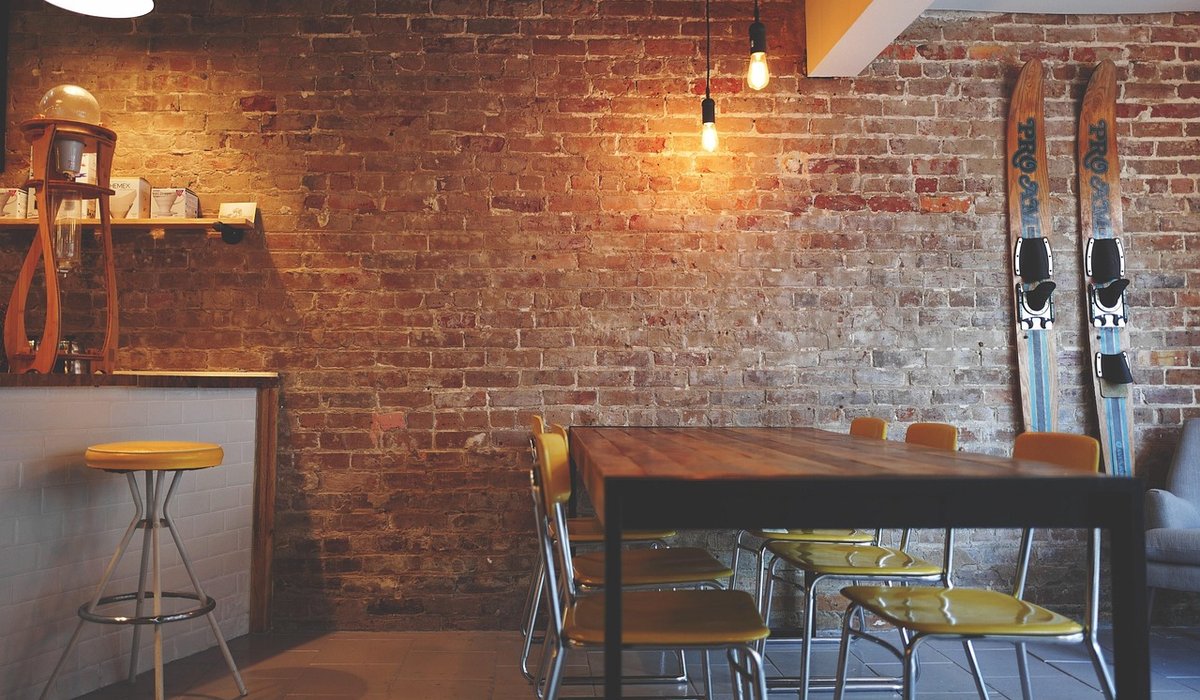
Start with the light you actually have
Every cabin colour conversation should begin with light, because in a small room the light does more to set the mood than the paint itself. A garden room tucked at the end of a north-facing plot receives cool, blue-leaning daylight for most of the day. A glamping pod with a south-facing glazed wall can feel bright enough to squint, even in February. The same tin of pale grey will read completely differently in each.
Spend a week before you buy anything noting how the room behaves. When does sunlight hit the floor? Where do the shadows sit at 4pm in winter? Which corner never quite warms up? This sounds like homework, but it saves you repainting a three-metre-square cabin twice over. Also note the lighting you'll use in the evening — warm white bulbs, fairy lights on a dimmer, a single pendant — as artificial light flatters some colours and muddies others.
Light neutrals that open up a tight room
If your priority is making a compact space feel larger and calmer, light neutrals remain hard to beat. The trick is choosing a neutral with enough warmth to feel welcoming rather than clinical.
- Warm off-whites and soft chalky creams reflect light back into the room without the chill of a stark brilliant white.
- Pale greiges and mushroom tones — grey with a brown undertone — suit timber cabins and sit happily beside natural pine, oak and larch.
- Soft pale greens and dusty blues work as near-neutrals in garden rooms, echoing foliage and sky without fighting them.
Keep the palette to two or three tones and let them flow — walls, ceiling and woodwork in closely related shades — so the eye isn't stopped by a hard line. In a room under ten square metres, that continuity reads as space. Painting the ceiling in the same colour as the walls, rather than a brighter white, is one of the simplest ways to push the walls upward.
Deeper earth tones for cabin cosiness
Light and airy isn't always what you want. A glamping cabin or a snug garden office in autumn benefits enormously from depth. Earth tones — clay, terracotta, olive, ochre, warm charcoal, deep forest green — make a small room feel enveloping rather than cramped when you use them with intent.
The key is to use them on the right surfaces. An all-over deep green on walls, ceiling and trim creates a cocoon, and it works beautifully in a cabin because the timber and the view out of the window provide the contrast. If a fully dark room feels like too much of a commitment, try:
- A single accent wall behind the bed, sofa or desk, painted two shades deeper than the other walls.
- Darker lower walls with a lighter upper half, which grounds the room and hides scuffs.
- Rich colour on the ceiling in a very small space to blur the boundaries and make it feel taller and more intimate at once.
Warm undertones matter here. In a cabin with limited daylight, a grey with a cool blue base can turn gloomy, while a grey with a touch of red or yellow stays alive after dusk.
Test samples in every kind of light
Never choose from a colour card alone. Paint up A4 or A3 boards in two coats, leave a white border around each so your eye isn't influenced by the surface behind, and move them around the room through the day.
Check them at four moments: early morning, mid-afternoon, golden hour, and under your evening lighting. What looks soft and inviting at 2pm can turn grey and lifeless at 8pm. In garden rooms and glamping units, sample pots are especially worthwhile because the light coming through glazing is often cooler and greener than the light in a main house.
Also test against the fixed elements you can't change: the floor, the timber frame, the kitchenette, a sofa or a bedding set. Colours shift against each other, and a neutral that seems perfect alone can look yellow next to a grey sofa or muddy beside reclaimed timber.
Where to place colour in a compact cabin
Once you've chosen a scheme, think about distribution. In a tight room, colour placement directs the eye and does some of the work that furniture can't.
- Draw the eye up with a light ceiling and a slightly darker floor for a grounded, spacious feel.
- Draw the eye out by keeping the wall around a window pale, so the view becomes the focal point.
- Zone without walls by painting a sleeping nook or kitchen corner in a contrasting shade.
- Repeat a colour in at least three places — a cushion, a throw, a painted stool — so the scheme feels deliberate rather than unfinished.
Keep strong colour away from narrow corridors and cramped corners unless you want them to feel deliberately snug. Save it for the spots where you sit still.
Practical finishes for garden rooms and glamping pods
Cabins live in tougher conditions than most rooms in the house, and the paint has to keep up.
- Use a moisture-resistant or washable finish in glamping units, boot rooms and anywhere with a kettle, shower or heavy condensation.
- Choose a breathable paint for timber walls so moisture can move rather than being trapped, which helps prevent flaking and mould.
- Pick scrubbable matt or eggshell for walls that take knocks — garden offices, kids' cabin dens, anywhere with a bike leaning against it.
- Keep a small tin of each colour for touch-ups; sun-faded or scuffed cabin walls are far easier to patch when the exact shade is to hand.
Finally, don't forget the ceiling and floor in your thinking. A pale ceiling and a mid-tone floor give you the most flexibility, letting you change the mood later with a repainted accent wall, new cushions or a different rug. In a compact cabin, that flexibility is worth more than any single perfect colour.

Joeby Ragpa
This template is so awesome. I didn’t expect so many features inside. E-commerce pages are very useful, you can launch your online store in few seconds. I will rate 5 stars.
ReplyAlexander Samokhin
This template is so awesome. I didn’t expect so many features inside. E-commerce pages are very useful, you can launch your online store in few seconds. I will rate 5 stars.
ReplyChris Root
This template is so awesome. I didn’t expect so many features inside. E-commerce pages are very useful, you can launch your online store in few seconds. I will rate 5 stars.
Reply